



AI Knowing What You Are Going to Type Before You Do Eliminating Keyboard Use
Imagine a world where you don’t have to type a single word to get your message across. Where your device understands your thoughts and intentions so well that it predicts what you want to say before you even start typing. This is not science fiction anymore. Artificial intelligence (AI) is rapidly advancing toward eliminating the need for traditional keyboards by anticipating our words and actions. This shift could change how we interact with technology, making communication faster, smoother, and more natural.
In this post, I’ll explore how AI is learning to predict what you’re going to type, the technologies behind this breakthrough, and what it means for the future of typing and communication. I’ll also share examples of products that are already pushing this boundary, including AI-driven drones and data processing tools that rely on similar predictive technologies.
How AI Predicts What You’re Going to Type
AI’s ability to predict text is based on language models trained on vast amounts of data. These models learn patterns in language, common phrases, and user habits. When you start typing, the AI uses this knowledge to guess the next word or phrase you might want to enter.
This technology is already familiar to many through smartphone keyboards that suggest the next word or auto-correct mistakes. But the latest AI systems go far beyond simple suggestions. They can generate entire sentences, paragraphs, or even documents based on minimal input.
The key to this progress is deep learning, a type of AI that mimics how the human brain processes information. By analyzing context, grammar, and user behavior, AI can predict text with surprising accuracy. This reduces the need for manual typing and speeds up communication.
The Impact on Keyboard Use and Communication
If AI can predict what you want to type before you do, the traditional keyboard could become obsolete. Instead of pressing keys, you might simply think or speak your message, and AI will fill in the rest.
This change could benefit many people, especially those with disabilities that make typing difficult. It could also improve productivity for professionals who spend hours writing emails, reports, or code.
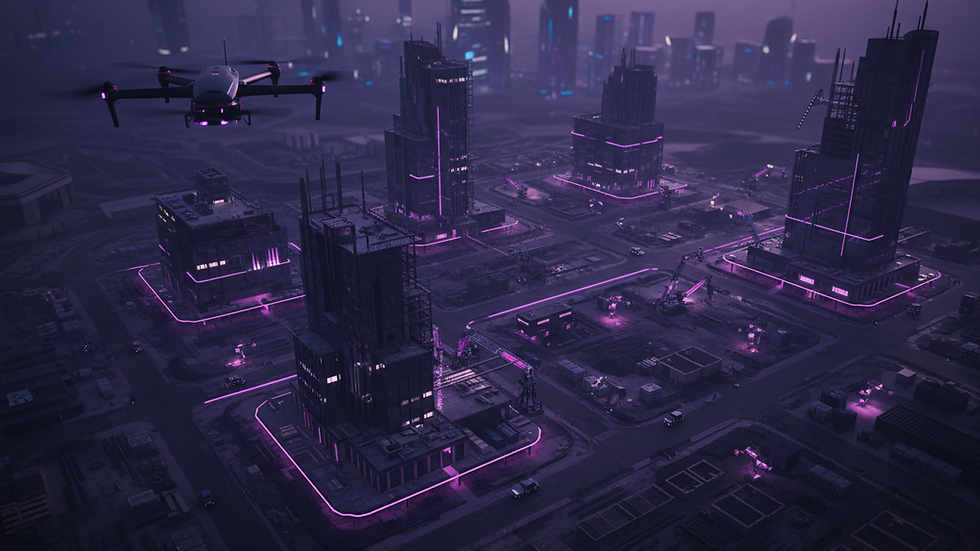
Imagine using AI-powered drones for infrastructure inspection or environmental monitoring. These drones collect aerial data and process it with AI to generate reports automatically. The same predictive technology that helps drones understand their environment can assist humans in communicating faster and more efficiently.

AI-powered drones use predictive technology to gather and process data efficiently.
Examples of AI Products Leading the Way
One example of AI-driven technology that aligns with this trend is the Anonymous Air A.I. & Applications platform. This service uses AI-powered drones to collect high-quality aerial data for businesses and government agencies. The AI processes the data to provide insights without manual intervention, showing how AI can reduce human effort in complex tasks.
Another product worth mentioning is AI Text Prediction Tools integrated into modern writing software. These tools help users write faster by suggesting entire sentences or paragraphs based on the context. They learn from your writing style and adapt over time, making communication feel more natural.
These examples show how AI’s predictive power is not limited to typing but extends to many areas where anticipating user needs can save time and effort.
What This Means for the Future of Work and Daily Life
As AI continues to improve, the way we interact with devices will change dramatically. Keyboards might be replaced by voice commands, gestures, or even brain-computer interfaces that read your thoughts directly.
For businesses, this means faster workflows and less time spent on routine tasks. For individuals, it could mean more freedom to communicate without physical limitations.
The rise of AI in communication also raises questions about privacy and data security. Predictive AI needs access to personal data to work well, so it’s important to use trusted services that protect your information.

AI interfaces are becoming more intuitive, predicting user input with high accuracy.
Challenges and Considerations
While AI’s ability to predict text is impressive, it’s not perfect. Sometimes, predictions can be wrong or inappropriate, leading to misunderstandings. Users need to stay alert and review AI-generated content carefully.
There’s also the risk of over-reliance on AI, which might reduce our ability to write or think critically. Balancing AI assistance with human judgment will be key.
Moreover, the technology requires continuous learning and updates to stay relevant and accurate. This means ongoing investment in AI research and development.
How to Prepare for a Keyboard-Free Future
To get ready for this shift, start exploring AI tools that enhance your typing and communication. Experiment with voice-to-text apps, AI writing assistants, and smart keyboards.
For businesses, consider integrating AI-driven data collection and processing tools like those offered by Anonymous Air A.I. & Applications. These solutions can streamline operations and improve decision-making.
Stay informed about new developments in AI and think about how they can fit into your daily routine or work processes.

Voice-to-text technology is a step toward reducing keyboard use.
The future of typing is closer than you think. AI’s ability to predict what you want to type before you do is transforming communication. It promises faster, easier, and more accessible ways to interact with technology. Whether through AI-powered drones collecting data or smart writing tools helping you compose messages, this technology is already here.
Embracing these changes can open new possibilities for work and life. The keyboard may not disappear overnight, but it’s clear that AI is leading us toward a world where typing is no longer necessary. Keep an eye on this exciting evolution and consider how you can benefit from AI’s predictive power today.


Comments